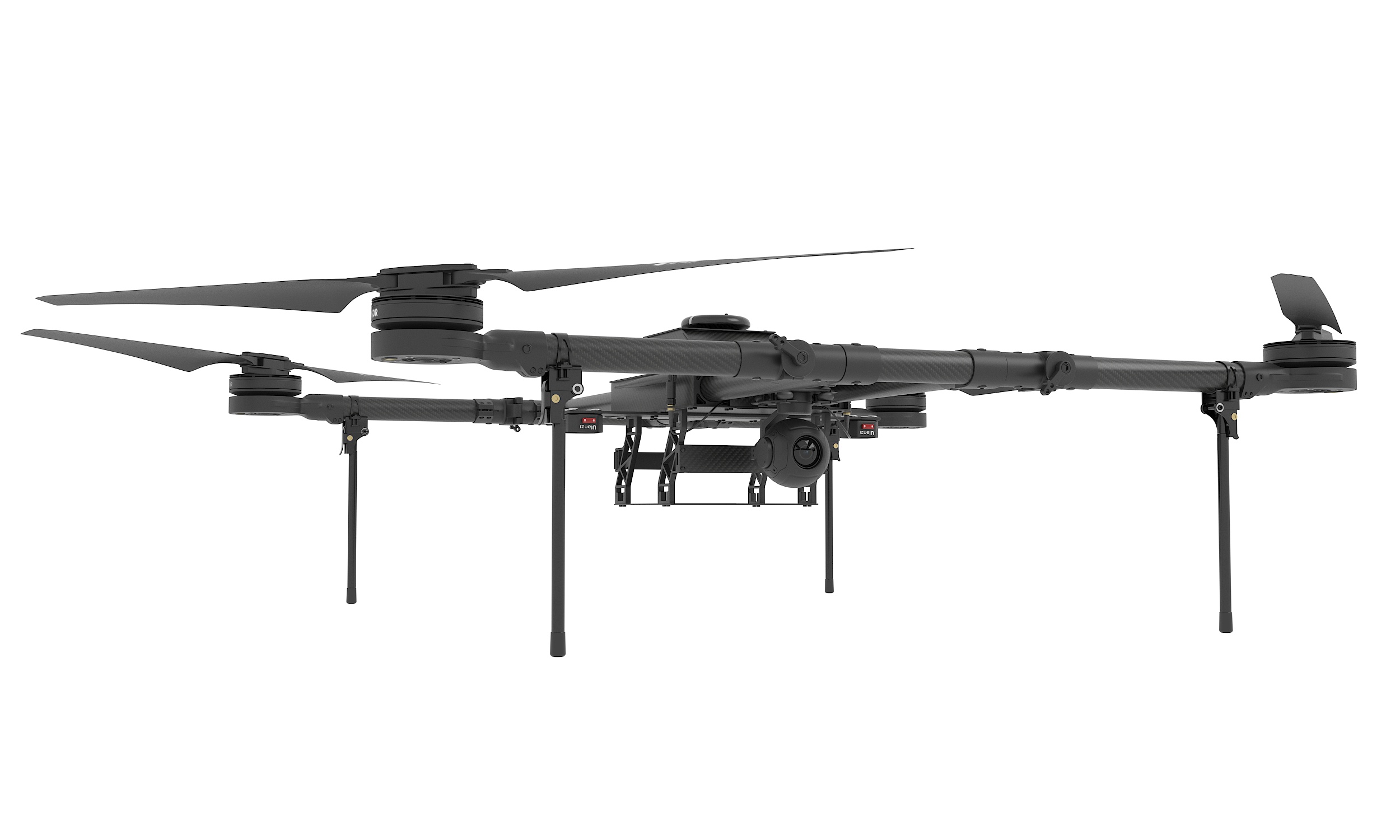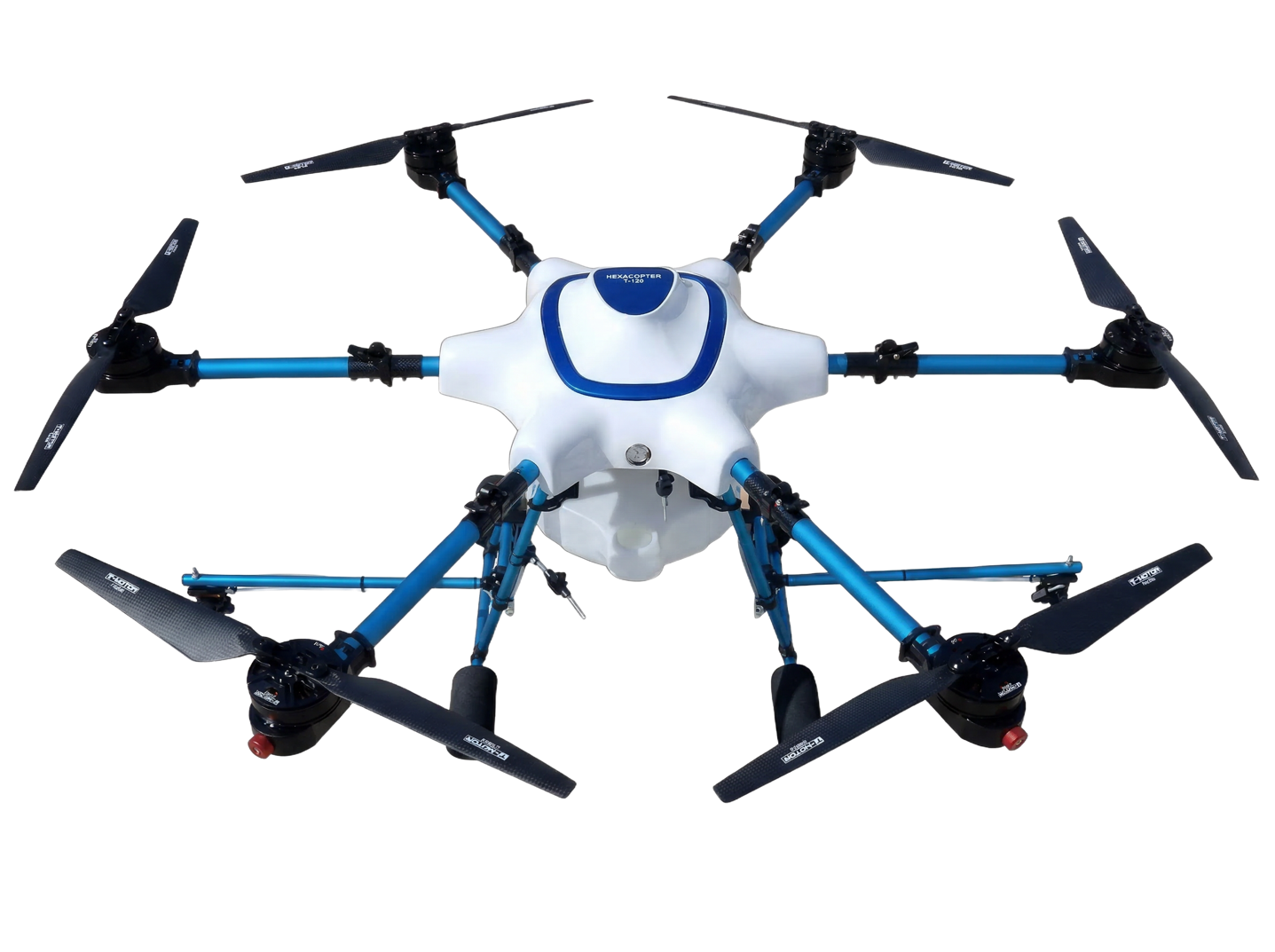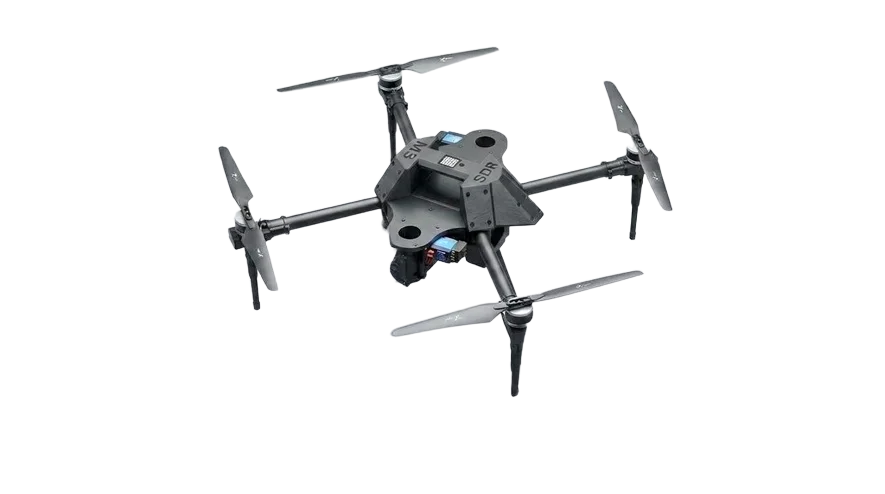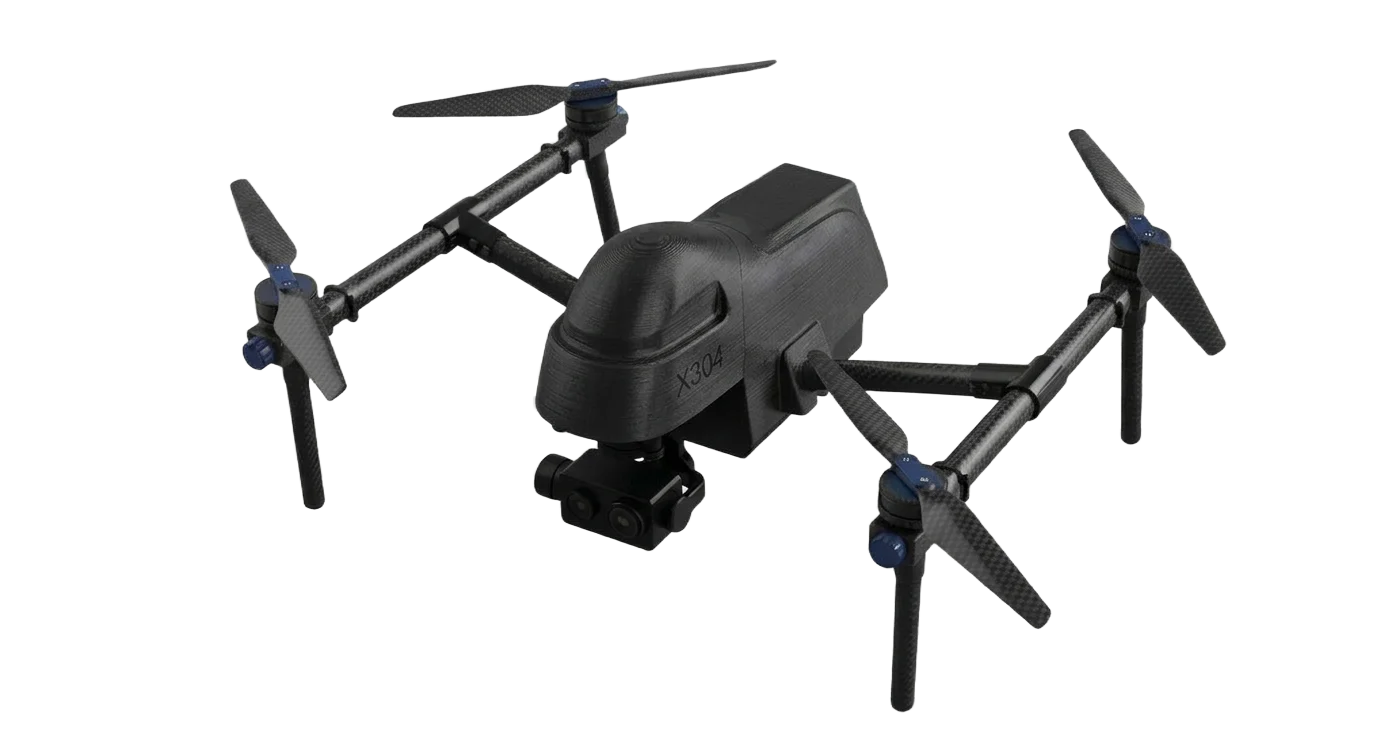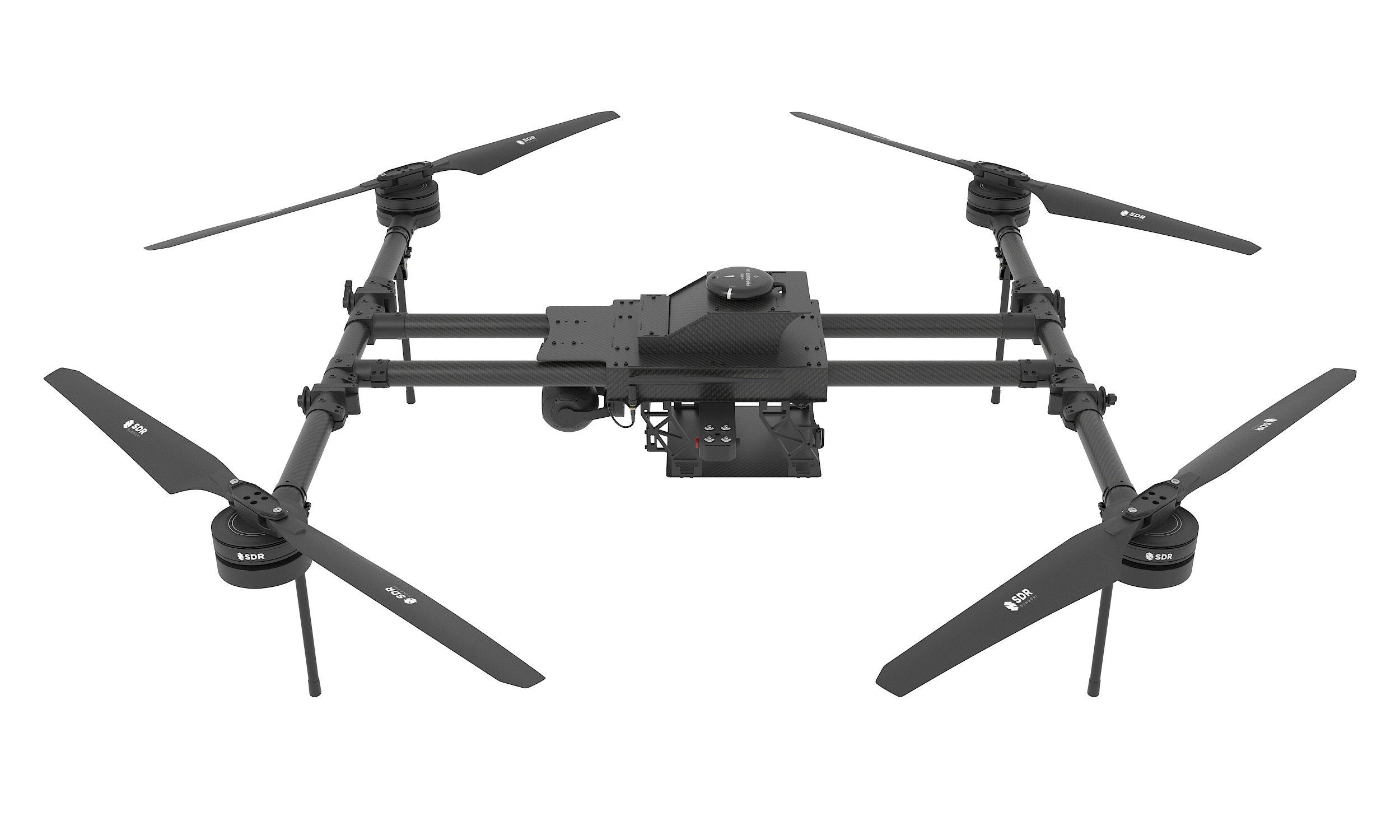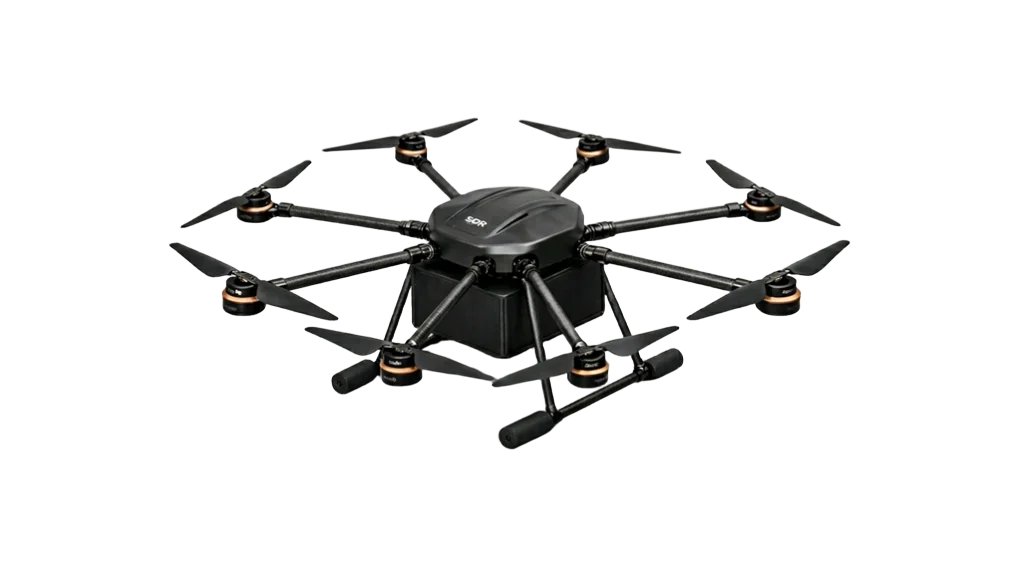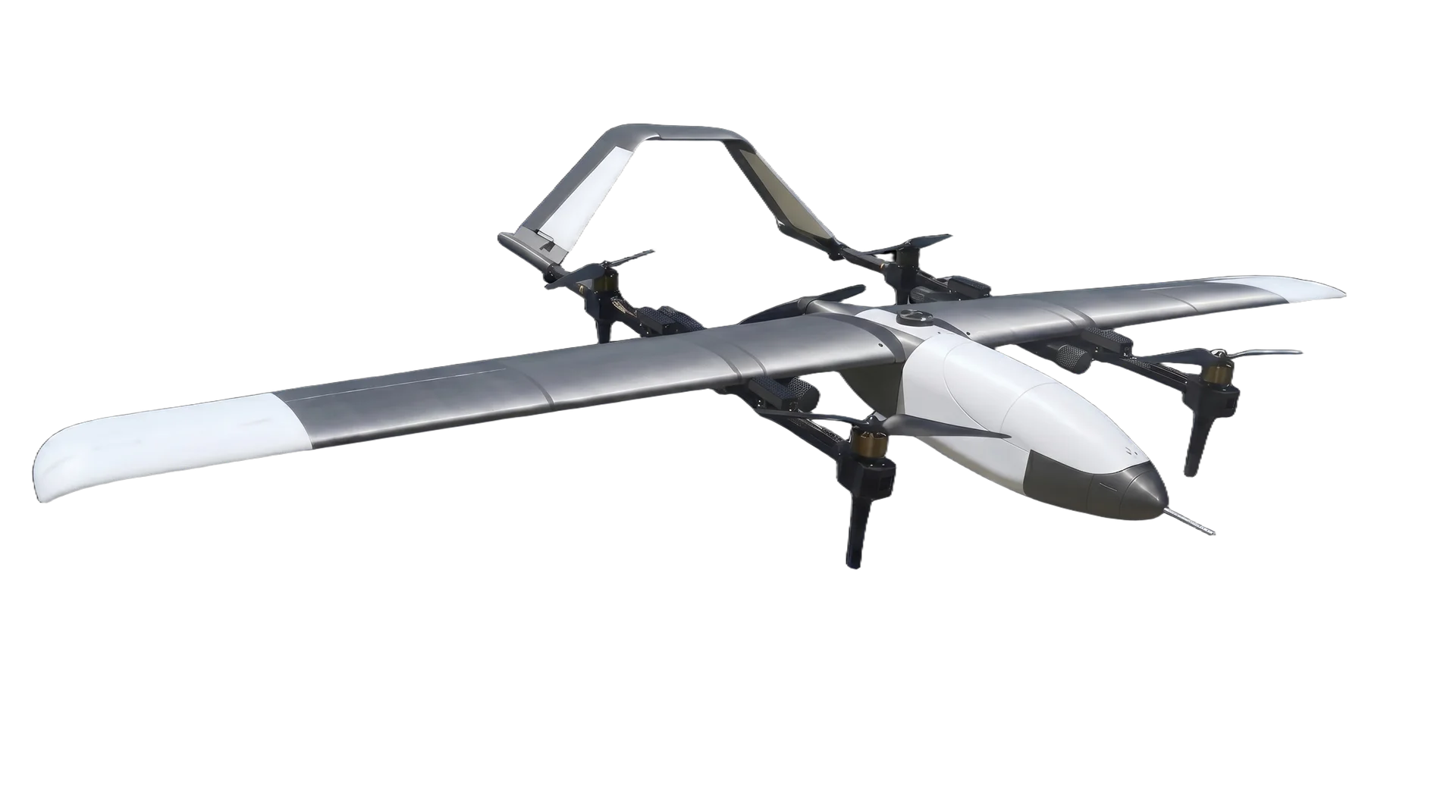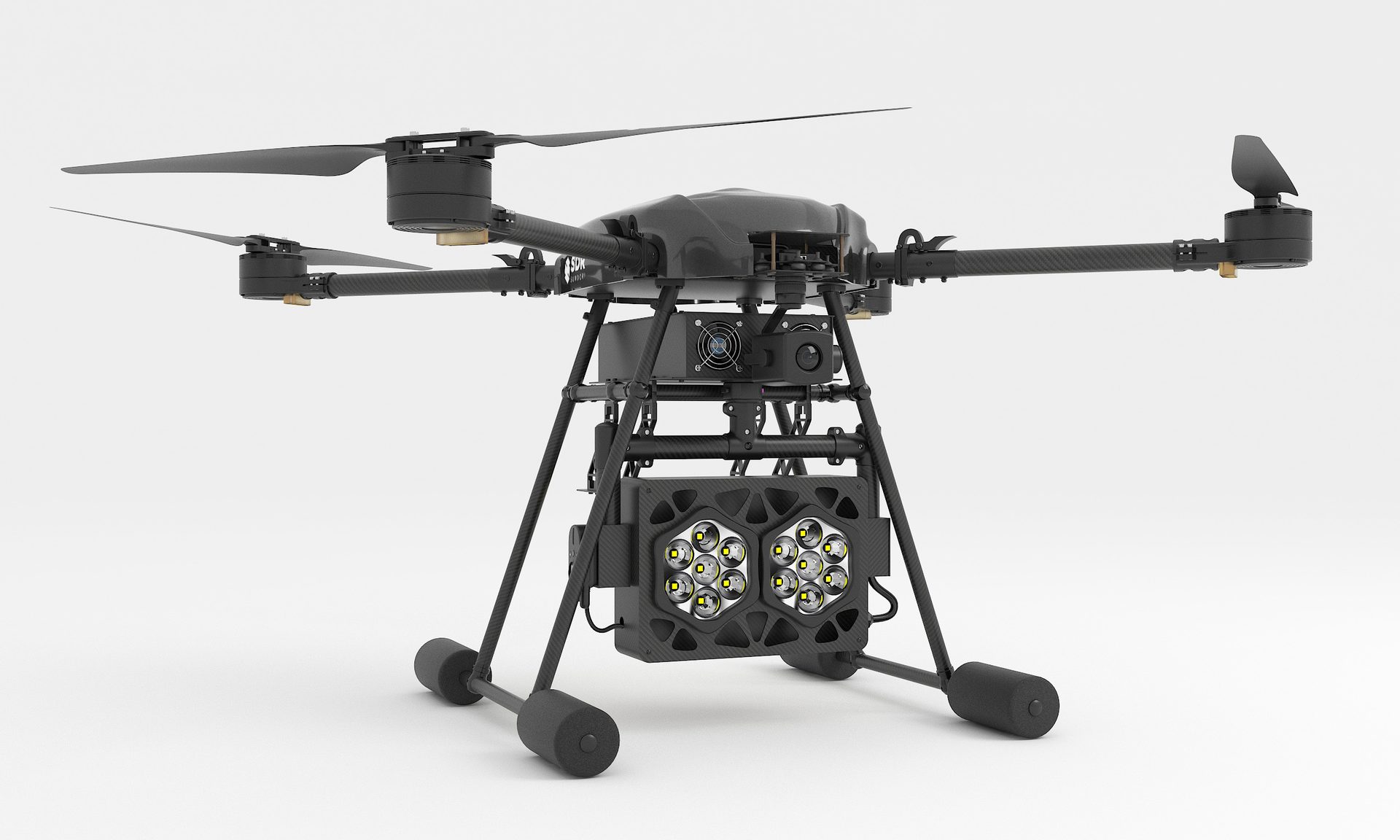
SDR's drones rarely fly a single mission profile. The same airframes, flight control, and mesh networking move between defense operations, public-safety response, industrial monitoring, and agricultural work — adapted by payload and software, not by rebuilding the aircraft. These are the operating modes in service today.
24/7 persistent surveillance · Refineries, substations, ports, perimeters
Tethered drones hold station 100 meters above critical assets, transmitting continuous high-resolution and thermal imagery over the same line that powers them — 24 hours a day, every day. Free-flight patrols sweep pipelines and perimeters between fixed posts, and an entire site fleet is coordinated from a single ground-control station. Deployed over refineries, transmission substations, port perimeters, and oil & gas facilities.
Wide-area forest patrol · Early fire detection, day and night
Long-endurance patrol flights sweep forest ranges on pre-programmed routes, with EO/IR sensors picking up heat signatures and smoke plumes while a fire is still containable. Thermal detection works straight through darkness, and every detection downlinks to fire authorities in real time with coordinates. Through fire season, tethered overwatch posts keep continuous watch over high-risk ridgelines.
Multi-drone field operations · Spraying, sensing, yield mapping
Coordinated multi-airframe spraying, multispectral crop sensing, and yield mapping over wide field areas — all flown by a single pilot from one ground-control station. The system scales from individual farm parcels to regional agricultural cooperatives, and was featured by Korean public broadcaster KBS for multi-drone formation farming.
Tactical ISR · Precision strike · Swarm coordination
The same platforms that patrol industrial sites fly tactical missions — long-endurance reconnaissance with EO/IR, loitering strike, and swarm-coordinated operations under multi-drone control. SDR is the standard training platform across all five branches of the Korean armed forces, with payloads — not airframes — defining the mission.
Missing-person search · Thermal detection · Night operations
Squad-level drones deploy in minutes and search areas that would take ground teams days. Thermal imaging picks out body-heat signatures through darkness and undergrowth, the searchlight configuration turns a night search into day, and coordinated multi-drone sweeps cover lakeshores, mountainsides, and coastal zones under a single operator.
Situational awareness · Overwatch · Damage assessment
When floods, earthquakes, or industrial accidents cut off ground access, drones are the first eyes over the scene — streaming live imagery to incident command, mapping damage for assessment and recovery planning, and holding tethered overwatch above the response around the clock while operations continue below.
Heavy-payload transport · Resupply · Aerial work
Heavy-lift platforms move payloads up to 40 kg to places trucks and helicopters cannot economically reach — construction-site lifts, island and mountain resupply, and emergency delivery of medical or relief supplies. The same airframes carry inspection sensors for transmission lines, pipelines, and large-scale mapping and surveying.
Government-approved curriculum · Classroom to certified pilot
A complete training ecosystem — government-approved curriculum, dedicated training airframes, simulators, and GCS operator courses — has produced more than 10,000 certified pilots and serves as the standard training program across all five branches of the Korean armed forces. The same pipeline now trains industrial and public-safety operators.
For energy, utilities, agriculture, public safety, and infrastructure operators — request a deployment briefing for tethered persistent monitoring, multi-drone coordination, smart-farm operations, or distributed-manufacturing programs.